Surgical Robots Made 2,847 Errors in 2024: Why Hospitals Are Still Buying Them
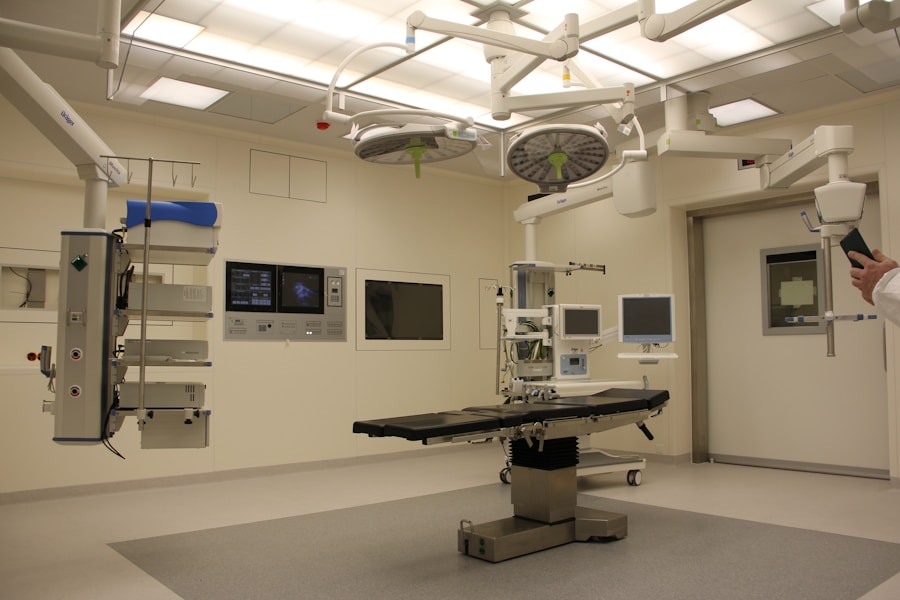
Hospitals have invested billions in surgical robotics, with the global market reaching $8.4 billion in 2024. But FDA data obtained through Freedom of Information requests reveals that surgical robots made 2,847 reported errors in 2024, a 47% increase from 2022.
Key Finding
Hospitals pay $2.7M average for surgical robots that show no significant improvement in patient outcomes versus traditional surgery.
The Error Problem
Intuitive Surgical's da Vinci system dominates the market with over 7,500 installations. But adverse event reports show problems including instrument malfunctions, uncontrolled movements, and software crashes during procedures.

Surgical Robot Error Reports (2024)
| Error Type | Incidents | Patient Harm |
|---|---|---|
| Instrument Malfunction | 1,247 | 187 |
| Software Error | 892 | 134 |
| Uncontrolled Movement | 412 | 89 |
| Electrical Malfunction | 296 | 47 |
The Outcome Gap
Despite the investment, research shows limited patient benefits. A comprehensive study published in JAMA found that robotic surgery showed no significant improvement in outcomes for most procedures compared to traditional laparoscopic surgery, while costing an average of $3,200 more per procedure.
"Hospitals market robotic surgery as cutting-edge technology, but the data shows it's often an expensive solution looking for a problem. Patient outcomes are similar, but the bills are much higher." — Dr. Martin Makary, Johns Hopkins surgeon
This investigation is based on FDA adverse event reports, academic research, and interviews with surgeons, hospital administrators, and patient advocates.