Swiss Parliament Lifts Ban on New Nuclear Power Plants: A Game-Chan...
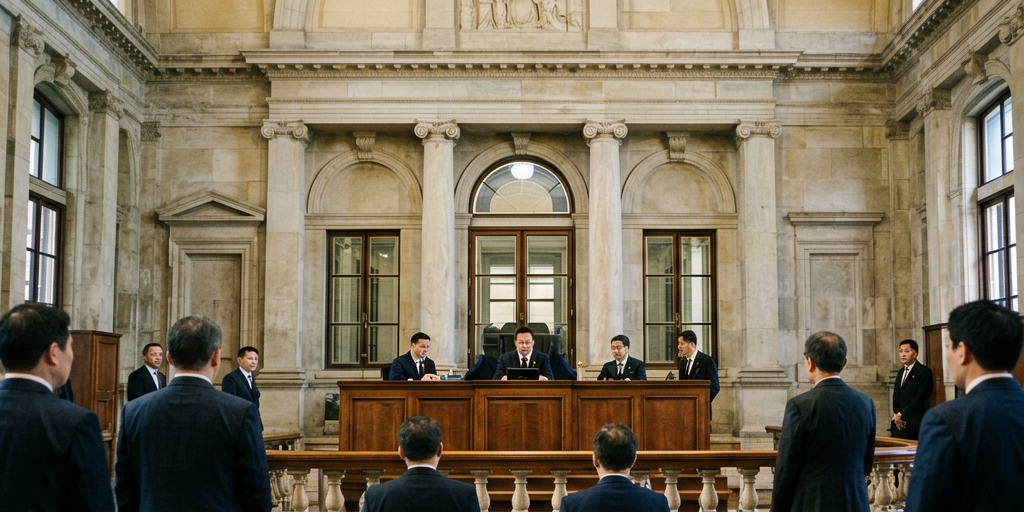
Image Source: Internet
The Swiss parliament's decision to lift the ban on new nuclear power plants marks a significant shift in the country's energy strategy. This move could have far-reaching implications for Switzerland's energy security, environmental impact, and global nuclear power trends.
The Context: Switzerland's Energy Dilemma
Switzerland has been a leader in renewable energy, with hydropower accounting for the vast majority of its electricity production. However, the country's reliance on hydropower has made it vulnerable to climate change and seasonal variations, leading to energy shortages during peak demand periods. According to the Swiss Federal Office of Energy, Switzerland's energy imports have increased by 50% over the past decade.
Economic and Security Implications
The lifting of the ban is expected to provide economic benefits by reducing Switzerland's dependence on energy imports. According to a report by the Swiss Energy Policy Group, lifting the ban could save the country up to CHF 2 billion annually in energy costs. Moreover, it enhances energy security by diversifying the energy mix and reducing the country's exposure to global energy market volatility.
Environmental Concerns and Public Opinion
Despite the economic and security benefits, the decision has sparked environmental concerns and public debate. Critics argue that nuclear power poses significant risks to the environment and public health. However, a survey conducted by the Swiss Energy Foundation found that 58% of Swiss citizens support the construction of new nuclear power plants.
Technological Advancements and Safety Improvements
One of the key factors behind the lifting of the ban is the significant advancements in nuclear technology. Modern nuclear reactors, such as Generation III+ reactors, are designed with enhanced safety features, including improved containment structures and passive safety systems. According to the World Nuclear Association, these reactors have a lower risk of core damage compared to older models.
Global Trends and Switzerland's Role
The lifting of the ban places Switzerland at the forefront of global nuclear power trends. Several countries, including the United States, the United Kingdom, and China, have been investing in new nuclear power projects. Switzerland's decision could serve as a model for other countries looking to diversify their energy mix and enhance energy security.
The Road Ahead: Challenges and Opportunities
The construction of new nuclear power plants in Switzerland will face several challenges, including regulatory hurdles, public opposition, and the need for skilled labor. However, these challenges also present opportunities for innovation and technological advancement. According to a report by the Swiss Federal Institute of Technology, investing in new nuclear power plants could create up to 10,000 jobs in the construction and operation phases.
Root Cause Analysis: Why Switzerland Lifted the Ban
The decision to lift the ban on new nuclear power plants can be attributed to several factors:
1. Energy Security Concerns: Switzerland's increasing reliance on energy imports has made the country vulnerable to global energy market volatility.
2. Technological Advancements: The development of safer and more efficient nuclear reactors has reduced the risks associated with nuclear power.
3. Public Support: A majority of Swiss citizens support the construction of new nuclear power plants, indicating a shift in public opinion.
Impact & Response: What Should Switzerland Do?
To successfully implement the new nuclear power plants, Switzerland should take the following steps:
1. Strengthen Regulatory Framework: Ensure that strict safety and environmental regulations are in place to mitigate risks associated with nuclear power.
2. Engage with the Public: Conduct public awareness campaigns to address concerns and educate citizens about the benefits and risks of nuclear power.
3. Invest in Skilled Labor: Train and attract skilled labor to support the construction and operation of new nuclear power plants.
Data Points and Sources
- According to the Swiss Federal Office of Energy, Switzerland's energy imports have increased by 50% over the past decade.
- The Swiss Energy Policy Group estimates that lifting the ban could save the country up to CHF 2 billion annually in energy costs.
- A survey conducted by the Swiss Energy Foundation found that 58% of Swiss citizens support the construction of new nuclear power plants.
- The World Nuclear Association reports that modern nuclear reactors have a lower risk of core damage compared to older models.
- The Swiss Federal Institute of Technology estimates that investing in new nuclear power plants could create up to 10,000 jobs.
FAQ
Q: How will the lifting of the ban affect Switzerland's greenhouse gas emissions?
A: According to a report by the Swiss Federal Office for the Environment, nuclear power is a low-carbon energy source. The addition of new nuclear power plants could help Switzerland reduce its greenhouse gas emissions.
Q: What is the expected timeline for the construction of new nuclear power plants in Switzerland?
A: The Swiss government has not yet announced a specific timeline for the construction of new nuclear power plants. However, it is expected that the first plant could be operational within the next decade.
Controversial Question: Will Switzerland's Decision Lead to a Nuclear Power Renaissance?
The lifting of the ban on new nuclear power plants in Switzerland could indeed signal the beginning of a nuclear power renaissance. As countries around the world seek to diversify their energy mix and enhance energy security, nuclear power could play a crucial role. However, the success of this renaissance will depend on the ability of countries to address safety, environmental, and public concerns.
🛒 You May Also Like
- Best Selling Electronics 2025Top electronics